
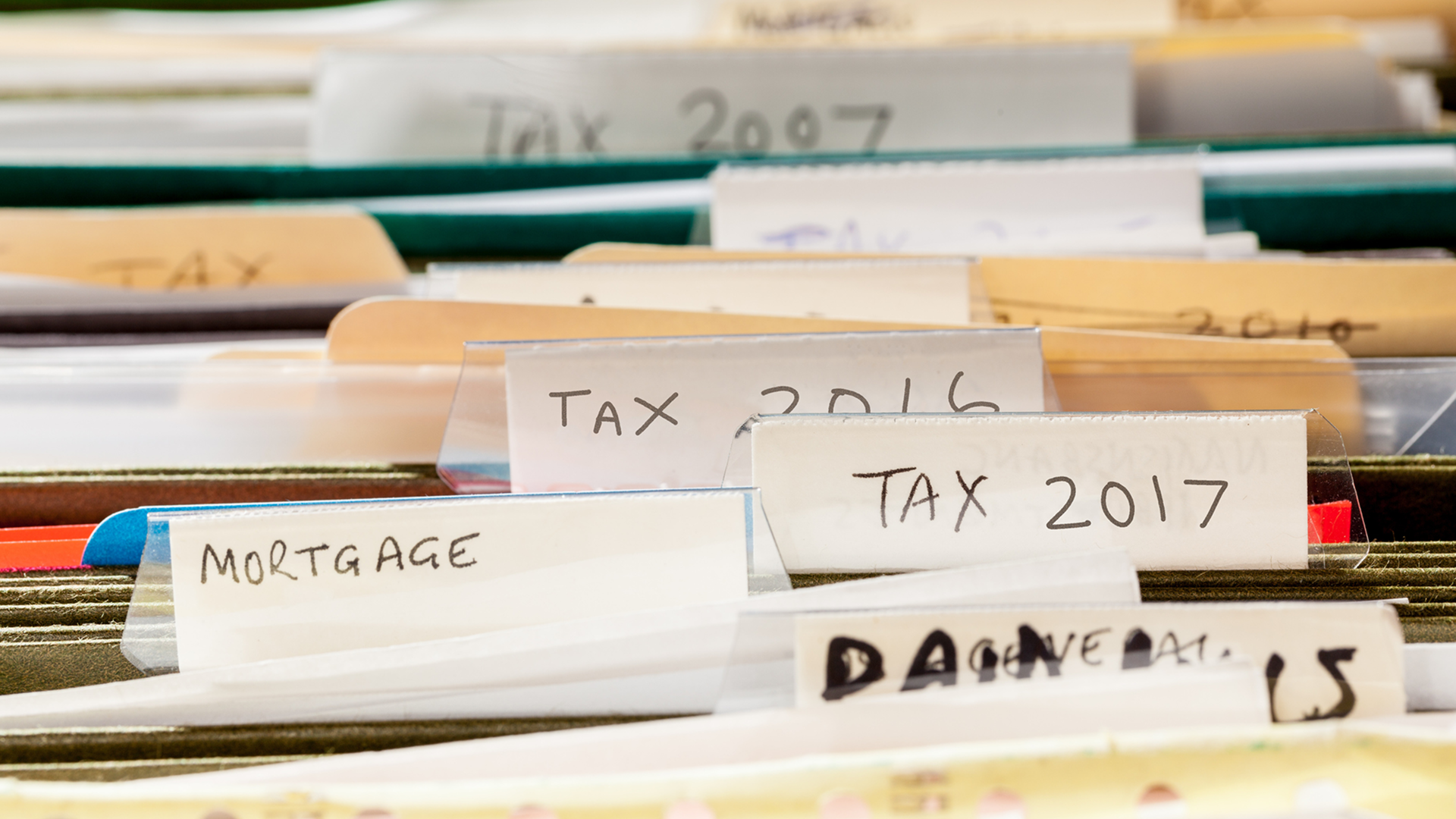
How Long Do I Keep Tax Records?
A question we get asked a lot: How long do I keep my tax records?
You should keep your 1040 for at least three years. That’s how long the Internal Revenue Service (IRS) has to question items on your return and to bill you for any additional tax that may be due. It’s also the timeframe for you to file an amended return and seek a refund.
The IRS, however, can go back up to six years if over 25% of your income is omitted from your return. If fraud is proven, or you never file a tax return when one was required, there is no limit.
State tax returns may have to be retained longer. California’s statute of limitations for auditing and adjusting a return is four years from the date you file your return (not the due date).
You may want to keep some of your tax returns and tax records for more than three years.
Here are some examples:
- Hold on to records that establish the tax basis of securities or real estate for at least three years after you dispose of the property.
- If you’ve made nondeductible contributions to IRAs or post-tax pay-ins to 401(k)s, save records until three years after the accounts are depleted.
- If you inherit property that you might eventually sell, you will need to know the date-of-death value of the asset, so keep documentation of this figure until three years after you sell the property.
When you own a business, it’s important to retain tax records longer and more thoroughly than personal taxes. The recommended time frame is seven years from the filing date. Depreciation schedules real estate and property records should be kept while the asset is owned plus seven years after the sale or disposition of the asset. Contracts and leases should be kept as long as they are in effect plus seven years. Business formation documents, meeting minutes, and ownership records should be kept permanently. If your business has net operating losses or carryforwards, keep the related records until seven years after the NOL and/or carryforward is fully used.