
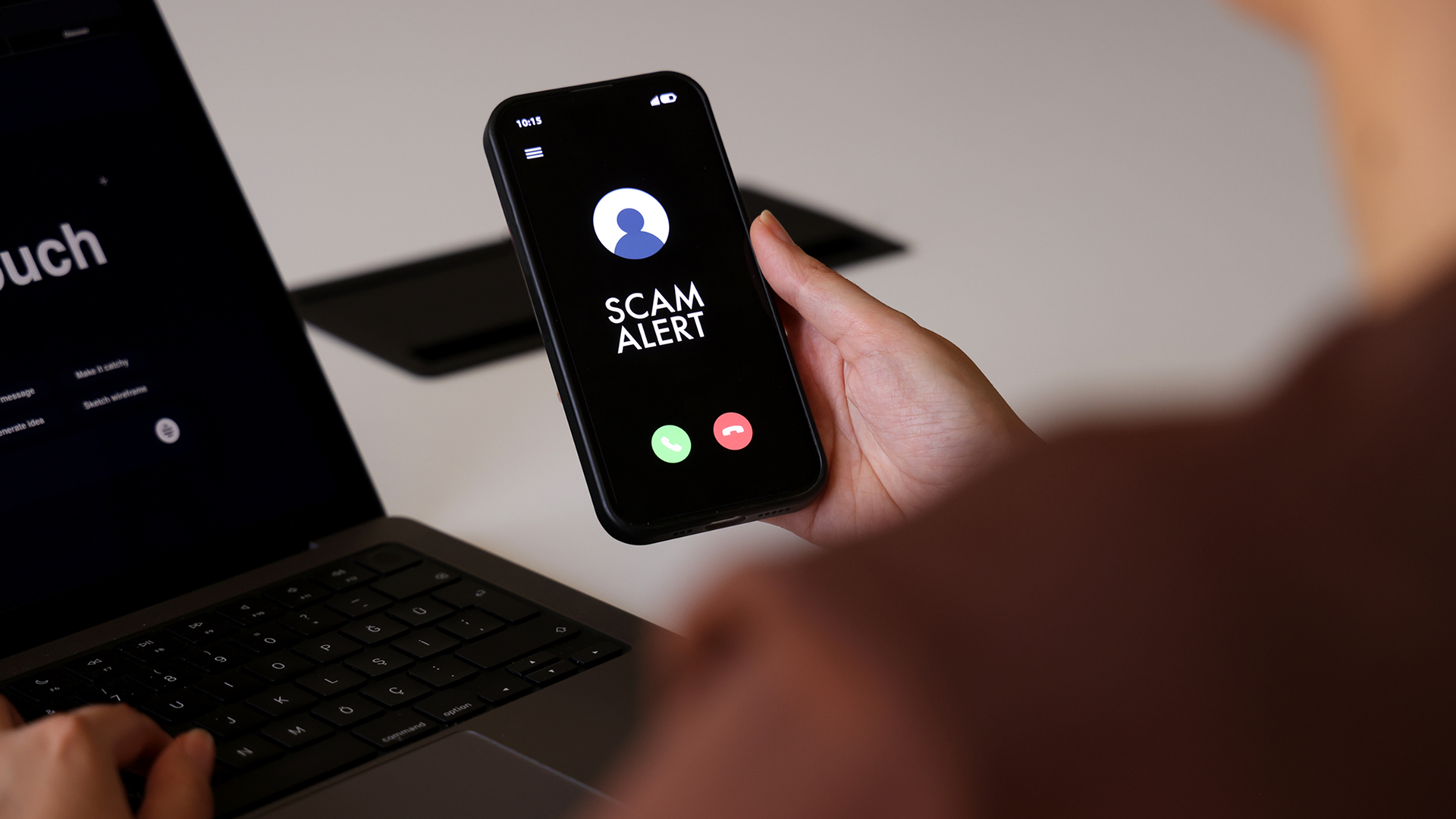
Phone Scams Continue to be a Serious Threat
WASHINGTON — Aggressive and threatening phone calls by criminals impersonating IRS agents remain a WASHINGTON—Aggressive and threatening phone calls by criminals impersonating IRS agents remain a major threat to taxpayers, headlining the annual “Dirty Dozen” list of tax scams for the 2016 filing season.
The IRS has seen a surge of these phone scams as scam artists threaten police arrest, deportation, license revocation, and other things. The IRS reminds taxpayers to guard against all con games that arise during any filing season.
The Dirty Dozen is compiled annually by the IRS and lists a variety of common scams taxpayers may encounter any time during the year. Many of these con games peak during filing season as people prepare their tax returns or hire someone to do so. This January, the Treasury Inspector General for Tax Administration (TIGTA) announced they have received reports of roughly 896,000 contacts since October 2013.
Protect Yourself
Scammers make unsolicited calls claiming to be IRS officials. They demand that the victim pay a bogus tax bill. They con the victim into sending cash, usually through a prepaid debit card or wire transfer. Furthermore, they may also leave “urgent” callback requests through phone “robo-calls” or via a phishing email. Scammers often alter caller ID numbers to make it look like the IRS is calling. The callers use IRS titles and fake badge numbers to appear legitimate.
Here are five things the scammers often do, but the IRS will not do. Any one of these five things is a sign of a scam.
The IRS will never:
- Call to demand immediate payment or call about taxes owed without first having mailed you a bill.
- Demand that you pay taxes without giving you the opportunity to question or appeal the amount you owe.
- Require you to use a specific payment method for your taxes, such as a prepaid debit card.
- Ask for credit or debit card numbers over the phone.
- Threaten to bring in local police or other law-enforcement groups to have you arrested for not paying.
If you get a phone call from someone claiming to be from the IRS and asking for money, here’s what you should do:
IfIf you don’t owe taxes, you have no reason to think that you do:
- Do not give out any information. Hang up immediately.
- Contact TIGTA to report the call. Use their “IRS Impersonation Scam Reporting” web page at www.tigta.gov. You can also call (800) 366-4484.
- Report it to the Federal Trade Commission. Use the “FTC Complaint Assistant” on FTC.gov. Please add “IRS Telephone Scam” in the notes.
If you know you owe or think you may owe tax:
- Call the IRS at (800) 829-1040. IRS workers can help you.
Stay alert to scams that use the IRS as a lure. Tax scams can happen any time of year, not just at tax time. For more, visit “Tax Scams and Consumer Alerts” on IRS.gov.